
"washed Brazilian"
3000 article(s) found

Brazilian coffee beans characteristics are the reason why Brazilian coffee beans use less washing treatment
Professional coffee knowledge exchange More coffee bean information Please pay attention to coffee workshop (Weixin Official Accounts cafe_style) Why do Brazilian coffee beans use less washing treatment? Brazilian coffee beans are grown from large farms on the flat ground at an altitude of 850 m to small farms harvested in mountainous areas. Depending on the climate and humidity conditions, the farm chooses sun, semi-sun or

Introduction of Brazilian coffee beans description of taste and flavor of different treatments of Brazilian coffee beans
Professional coffee knowledge exchange more coffee bean information please follow the coffee workshop (Wechat official account cafe_style) as Brazil is located in the tropical rain forest region, the terrain is relatively flat with few high-altitude mountain forests, most coffee is grown in low-altitude non-volcanic soil areas, and there is not much shade for shade, resulting in the rapid growth rate of Brazilian beans, large beans but dense coffee.

"Coffee Kingdom" Brazilian coffee beans taste the exquisite cleanliness of Brazilian Silado semi-washed
Professional coffee knowledge exchange more coffee bean information Please follow the front street of coffee workshop (Wechat official account cafe_style)-Brazilian Coffee, as the world's largest coffee producer and second largest coffee consumer, Brazilian coffee carries a lot of weight in the world. Brazil provides nearly 45% of the world's raw coffee beans, and the length of the country's dry season may even affect

Flavor characteristics of Brazilian Santos Coffee washing Brazilian Santos caffeic acid? how does it taste?
Professional coffee knowledge exchange more coffee bean information please follow the coffee workshop (Wechat official account cafe_style) Brazil Santos coffee beans Brazil Santos Washed continent: South American coffee beans: BOURBON treatment: washing grade: NO.2 Brazil Santos flavor characteristics: a few Santos washed coffee, very low acidity, chocolate bitter and strong

Flavor characteristics of Brazilian suntan yellow bourbon coffee introduction to Brazilian coe Champion Queen Manor Coffee
Brazil Yellow bourbon Coffee beans-the difference between tanning and washing Brazil is vividly likened to the giant and monarch of the coffee world. There are about 3.97 billion coffee trees there, and small farmers now grow 75% of Brazil's total coffee production. There are twice as many people engaged in coffee production in Brazil as in Colombia or even

Rainforest Alliance certified Brazilian Datra Manor Information semi-washed Brazilian Minas Coffee Bean Flavor
For the exchange of professional baristas, please follow the Coffee Workshop (Wechat official account cafe_style) Rainforest Alliance certified Brazilian Datra Manor Information semi-washed Brazilian Minas Coffee beans Brazil Daterra Sunrise CERRADO Brazil Daterra is a Rainforest Alliance certified Brazilian bean. Datra Manor is located in the Cerrado area of the state of Minas Gerais, Brazil.

How many treatments are there for Brazilian coffee? Brazilian coffee flavor
The four most common treatment methods of Brazilian coffee are natural solarization, desizing, semi-washing and water washing, among which natural solarization is the most popular. Since the harvest seasons in Brazil's two main producing areas, Serrado Minero (CerradoMineiro) and Mogiana Paulista (Mogiana Paulista), are both dry seasons of the year, natural solarization is popular in this region.

Introduction to the Historical varieties of Brazilian Coffee beans the graded flavor and taste characteristics of Brazilian water-washed coffee beans
Follow the caf é (Wechat official account vdailycom) found that Fairview Cafe opened a small shop of its own Brazilian coffee varieties: Arabica and Robusta are produced, of which Arabica accounts for 70% to 80%. Compared with Sikong coffee, Arabica coffee varieties are Modo Novo, Catuai, Bourbon, Maragoripe and so on. The coffee harvest can be reached three times a year.

Why is semi-washed Brazilian-Syrador coffee so popular?
Brazilian coffee generally refers to coffee produced in Brazil. There are many kinds of Brazilian coffee, most of which are unwashed and sun-dried. The taste of Brazilian coffee has a low sour taste, with the sweet and bitter taste of coffee, the entrance is very smooth, but also with a hint of grass aroma, slightly bitter in the fragrance, smooth and smooth, with a pleasant aftertaste. For Brazilian coffee
Fine bean Brazilian coffee treatment Brazilian bean treatment is regarded as the ancestor of honey treatment
Professional coffee knowledge exchange more coffee bean information please pay attention to the coffee workshop (Wechat official account cafe_style) front street-Brazilian coffee treatment Central and South America is the world's largest coffee producing area, the amount of output here obviously affects the global price of raw coffee. Among them, Brazilian coffee is the largest producer in Central and South America and the largest coffee producer in the world.
How do you drink Brazilian coffee? The Brazilian way of handling coffee. Why doesn't Brazil use washing treatment?
Professional coffee knowledge exchange more coffee bean information Please pay attention to Coffee Workshop (Wechat official account cafe_style) as the world's largest coffee producer, Brazil has a world-leading coffee picking and processing technology, which of course has something to do with the level of mechanization and intensive production of the Brazilian coffee industry. Different from the picking methods of other countries, Brazilian coffee is picked first.
What does Brazilian coffee mean? What are the flavor characteristics of Brazilian coffee? Is the Brazilian coffee good?
Professional coffee knowledge exchange more coffee bean information please follow the coffee workshop (Wechat official account cafe_style) Brazilian coffee refers to coffee produced in Brazil. There is a wide variety of Brazilian coffee, the vast majority of which are unwashed and sun-dried, classified according to the name of the state of origin and the port of transport. Brazil has 27 states and 17 states produce coffee, but 4 of them produce coffee.

Brazilian coffee making technology Brazilian coffee beans
Let's talk about desizing. The desizing method was introduced to Brazil 25 years ago by Pinhalense, a well-known machinery and equipment manufacturer. Desizing is the second most popular way to treat raw coffee beans in Brazil, and Brazilians like to call it Cereja Descascado (Descascado means peeling, Cereja means fruit). In Central American countries, desizing is also known as honey treatment. In
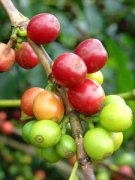
Brazilian coffee beans processing Brazilian coffee green beans wholesale coffee beans American coffee beans
The four most common treatments for Brazilian coffee are sun, desizing, half-washing and washing, with sun being the most popular. Since the harvest seasons of Cerrado Mineiro and Mogiana Paulista, Brazil's two main producing areas, are both dry seasons of the year, natural solarization is common in this area.

How about Brazilian coffee beans? Semi-washed processing process to peel off its heart layer by layer
Professional coffee knowledge exchange More coffee bean information Please pay attention to coffee workshop (Weixin Official Accounts cafe_style) Front Street-Brazilian coffee characteristics, semi-washing treatment method Introduction Coffee from different producing areas has different styles, and Brazilian coffee happens to be very suitable for public taste. The coffee flavor of individual areas is highly local and commendable. Because of the elevation of the entire Brazilian habitat
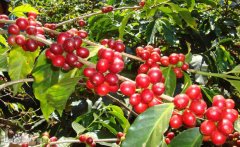
Brazilian coffee green beans processing technology American coffee beans honey processing commercial Brazilian beans green beans
The four most common treatments for Brazilian coffee are sun, desizing, half-washing and washing, with sun being the most popular. Since the harvest seasons of Cerrado Mineiro and Mogiana Paulista, Brazil's two main producing areas, are both dry seasons of the year, natural solarization is common in this area.
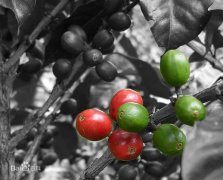
Understand Brazilian Coffee and enter Brazilian boutique Coffee products
It is unique that growers from each producing area will study and develop local processing techniques according to the characteristics of the local environment, and it is Dangdu's unique raw bean processing technology that makes coffee tastes different from one place to another. The treatment of raw beans is like the brewing process of beer, different methods will lead to different tastes of coffee. Most of us are right about ourselves.
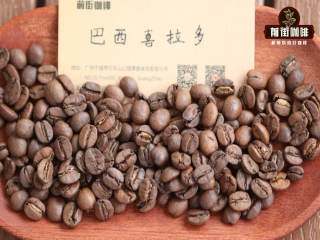
Brazilian sirado coffee beans brewing parameters suggested flavor characteristics bourbon varieties coffee grade classification
Semi-washed coffee is mainly produced in the Xilado region! It is characterized by coffee beans without fermentation tank maceration. This coffee acidity, sweetness, taste, and aroma are quite good. Coffee experts introduced that the use of semi-washed coffee beans mixed with less defective beans than the sun, and can retain

Description of washing Flavor of Brazilian Sun Yellow bourbon Coffee beans introduction to the characteristics of Grinding scale and Manor
Brazil sun yellow bourbon coffee beans wash flavor description grinding scale taste manor features including all coffee beans grown in Brazil, except for Sandos, Brazilian beans are mostly cheap and good coffee. Can be used for mass production of comprehensive coffee beans, most of which are re-roasted. The main raw material of instant coffee is also Brazilian coffee beans. When the coffee bean germ is very fresh, it is artificially refined and let it